Long before anyone sold a protection ritual online, people marked, buried and hung objects to keep harm away from the places they lived. Historians call these practices apotropaic, from a Greek word meaning to turn away. Many of them survive as physical evidence in old buildings.
Marks on doors and fireplaces
In England, surveys of historic buildings have recorded thousands of marks scratched into stone and timber near doorways, windows and fireplaces, the openings through which people believed harm could enter. Common designs include overlapping circles drawn with a compass, often called daisy wheels, and interlinked letters such as VV, sometimes read as an appeal to the Virgin Mary. Many date from roughly the sixteenth to the eighteenth centuries.
Witch bottles and concealed objects
A witch bottle was a stoneware or glass bottle filled with items such as pins, nails, hair or urine and buried under a hearth or threshold. Its makers believed it could turn a curse back on the person who cast it. Examples from the seventeenth century have been found across England, and a few in North America.
Shoes were also hidden inside walls and chimneys, usually old and well worn. Museum records list a large number of these finds from Britain, and while no written source explains the custom, their placement near openings suggests a protective purpose.
Charms that are still everyday objects
Some protective customs never went out of use. The blue glass eye charm known in Turkey as the nazar is still hung in homes, cars and shops. Horseshoes are fixed above doors in many countries. These objects now sit somewhere between belief, tradition and decoration, which is part of their charm.
Protection work today
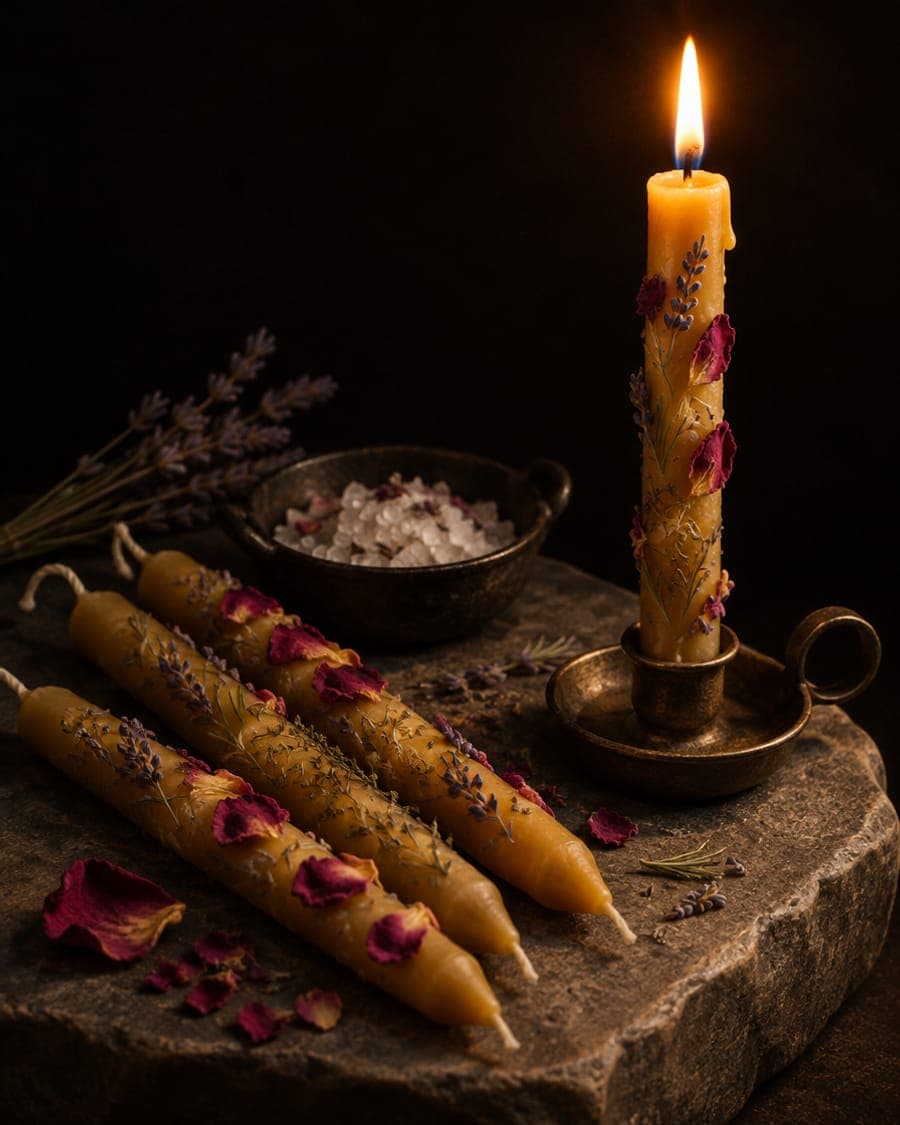
Modern practitioners draw on these traditions in different ways, from salt and herbs at a threshold to written petitions and candle work. A good practitioner will tell you which tradition they work in and what the work involves, and will not tell you that you are in danger in order to sell it.